
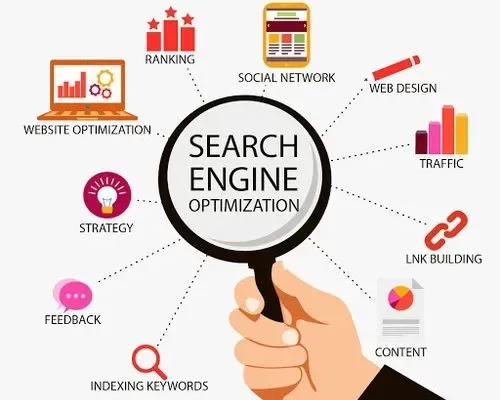
Getting a good search engine rating for your blog entries is about more than simply technicalities; it’s about creating content that appeals to both search engines and users. In this detailed tutorial, we’ll go over ten efficient tactics for increasing the visibility and search engine ranking of your blog material.
1. Keyword Optimization: Unlocking the Power of Words
Keywords serve as the foundation for search engine optimization (SEO). Begin by conducting extensive keyword research to uncover terms and phrases relevant to the niche of your site. Once you’ve armed yourself with these insights, smoothly incorporate them into your content. Maintain a balance, however, by ensuring that your keywords flow smoothly inside the narrative rather than appearing forced.
2. Quality Content: The Backbone of SEO Success
The cliche “content is king” still holds true in the digital world. Create content that not only satisfies your audience’s needs, but also captivates and instructs them. Because search engines are progressively prioritizing high-quality content, put time and effort into writing pieces that stand out in terms of information, interaction, and uniqueness.
3. Meta Tags and Descriptions: The Art of Concise Persuasion
The meta tags and descriptions on your blog serve as a virtual handshake between your content and search engines. Create enticing and succinct excerpts that capture the core of your blog post. Consider them your content’s elevator pitch—a brief introduction that entices viewers to click through and learn more.
4. Mobile-Friendly Design: Catering to the On-the-Go Audience
In the modern era, where mobile devices dominate online interactions, optimizing your blog for mobile is a must. Search engines take mobile responsiveness into account when deciding rankings, recognizing the move toward on-the-go information consumption.
5. Optimized Images: Streamlining for Speed
Page load speed is essential for both user experience and search engine rankings. Compress photographs without sacrificing quality to optimize them. A faster-loading page not only pleases impatient users, but also search engine algorithms.
6. Internal Linking: Weaving a Web of Connectivity
Integrate internal links to improve the structure of your blog and user navigation. Internal links, when utilized wisely, connect viewers to related content inside your blog while also giving search engines with useful insights about the architecture of your site.
7. Backlink Building: Building Bridges of Authority
Backlinks are similar to digital accolades in that they attest to the credibility of your blog. Look for possibilities to obtain high-quality backlinks from credible sources in your niche. This not only increases the authority of your blog but also serves as a seal of approval for search engines.
8. Regular Content Updates: Breathing Freshness into Your Blog
Search engines want content that is updated and relevant. Revisit and update your blog entries on a regular basis to ensure that the content is accurate and up to date. This proactive strategy informs search engines that your blog is an active and trustworthy source of content.
9. Social Media Promotion: Amplifying Your Reach
Make use of social media to increase the reach of your blog entries. Share your content across platforms to increase interaction and visibility. While social signals may not have a direct impact on search rankings, a strong social presence might help SEO success indirectly.
10. User Experience Matters: Crafting a Seamless Journey
The total journey a visitor makes on your blog is referred to as the user experience. Prioritize readability by using large fonts, simple navigation, and appealing calls to action. A great user experience leads to lengthier page visits, which search engines take into account when calculating rankings.
To summarize, navigating the landscape of search engine optimization necessitates a comprehensive approach that blends technical expertise with user-centric content production. By applying these ten tactics, you will not only improve your blog’s search engine position, but you will also create a dedicated readership. Remember, it’s not just about pleasing algorithms; it’s about providing content that resonates with your audience and offers value to their online experience.