Creating your own brand identity is crucial for standing out in today’s competitive market. First, you need to define your brand’s mission and values, which will help you connect with your audience. Next, conduct thorough audience research to identify your target demographic. Once you understand your audience, you can choose a cohesive color palette and typography that reflects your brand’s personality. The next step involves designing an impactful logo that captures attention. Finally, you’ll develop brand voice and imagery guidelines to guarantee consistency. Now, let’s explore each of these steps in detail.
Key Takeaways

- Define your brand’s mission and core values to resonate with your target audience and guide your decision-making.
- Conduct thorough audience research to understand demographics and preferences, ensuring your brand aligns with customer expectations.
- Choose a cohesive color palette and typography that reflect your brand’s personality and evoke the desired emotions.
- Design an impactful logo that is unique, recognizable, scalable, and aligns with your brand message across various platforms.
- Develop brand voice and imagery guidelines to maintain consistency in tone, language, and visual style across all marketing materials.
Define Your Brand’s Mission and Values

When you define your brand’s mission and values, you’re laying the foundation for everything your business stands for. To create a brand that resonates, start by articulating your mission statement clearly, outlining your purpose and the value you provide to customers.
Next, identify your core values, which serve as the ethical framework guiding your decisions and connecting with your target audience. Comprehending what personal brand means is vital; it’s about aligning your brand with beliefs that matter to your customers.
Incorporate their feedback to guarantee your mission and values resonate with them. Finally, revisit and adjust these elements regularly to keep your brand relevant and responsive to market trends. This approach is fundamental in how to develop a personal brand effectively.
Conduct Audience Research

How well do you know your audience? Conducting audience research is essential for building your brand identity. Start by identifying your target demographic through analysis of key factors. Here are three steps to guide you:
- Utilize Tools: Use surveys, interviews, and social media analytics to gather data on preferences and opinions. This will help you understand your potential customers better.
- Engage Online: Participate in forums and social media to collect feedback, allowing you to grasp how audiences perceive existing brands.
- Analyze Competitors: Study how others appeal to their audiences, which can highlight unique aspects of your brand.
Regularly updating your audience research guarantees that your personal branding aligns with market trends, making it a fundamental part of how to build a personal brand.
Choose a Cohesive Color Palette and Typography

Choosing a cohesive color palette and typography is vital for establishing a strong brand identity. Start by selecting a primary color that reflects your brand’s personality, then add one or two secondary colors for balance.
Comprehending color theory is fundamental, as colors evoke emotions; for example, blue can suggest trust whereas red conveys energy.
In terms of typography, limit yourself to two typefaces: a bold one for headings and a legible one for body text. This approach helps maintain professionalism and improves readability.
Confirm your fonts are recognizable across various platforms. Consistency in your color choices and typography will strengthen your brand identity, making it easier to create your own brand and communicate your personal brand attributes effectively.
Design an Impactful Logo
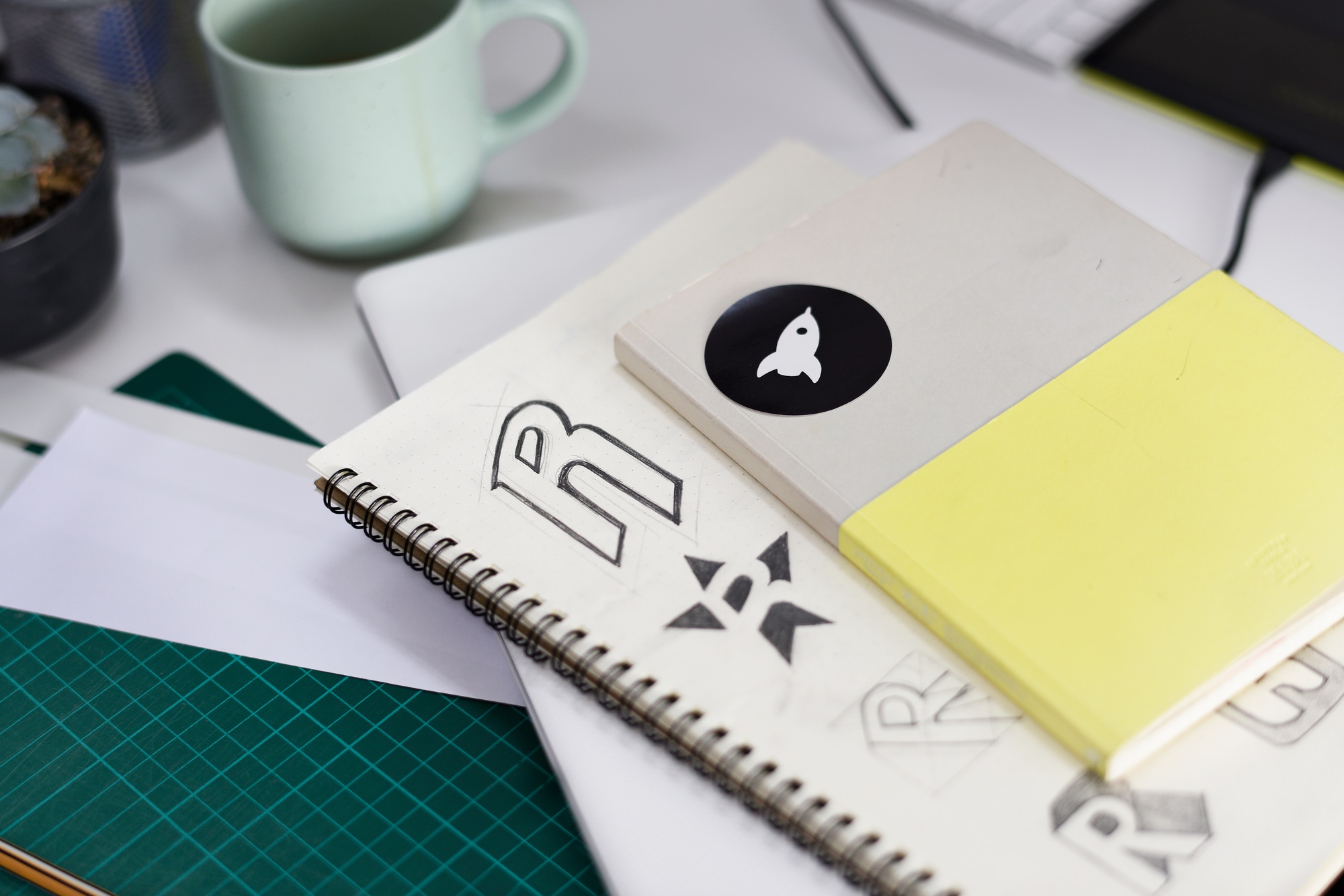
An impactful logo serves as the cornerstone of your brand identity, making it vital to create one that’s not just unique but also easily recognizable.
To design an effective logo, you should consider the following:
- Logo Type: Explore various types such as wordmarks, lettermarks, abstract logos, and mascots to find what best reflects your brand’s message.
- Color Theory: Understand how different colors can evoke specific feelings and align with your personal brand attributes.
- Scalability and Versatility: Guarantee your logo looks good in various sizes and applications, from digital platforms to print materials.
Develop Brand Voice and Imagery Guidelines

Establishing a clear brand voice and imagery guidelines is essential to creating a consistent and recognizable brand identity. Start by defining your brand’s tone, language, and style, ensuring they align with your personal brand attributes and resonate with your audience.
Create a personal branding guide that includes dos and don’ts for language use, highlighting preferred terminology that reflects your values. For imagery, specify the style, color treatments, and types of images that evoke the desired emotional response.
Incorporate filters and design treatments to maintain a cohesive aesthetic across platforms. Regularly review and update these guidelines based on audience feedback and market trends, as effective personal brand management keeps your identity engaging and relevant over time.
Frequently Asked Questions

What Are the 5 Steps to Creating Brand Identity Designs?
To create brand identity designs, start by defining your brand purpose, which highlights what you stand for and how you differ from competitors.
Next, research your competition to identify design elements they use.
Then, develop visual elements like colors and logos that reflect your brand’s personality.
After that, establish your brand voice and tone for consistent communication.
Finally, compile everything into a brand style guide to maintain uniformity across all platforms and materials.
What Are the 5 Steps to Be Done in Developing a Brand Name?
To develop a brand name, start by brainstorming words that reflect your brand’s essence and values.
Next, research existing names in your industry to guarantee uniqueness and check domain availability.
Experiment with naming techniques, like combining or creating new words.
Afterward, test potential names with your target audience for feedback.
Finally, choose a name that’s easy to pronounce and remember, as complexity can hinder brand recognition and customer recall.
How Do I Create My Own Brand Identity?
To create your own brand identity, start by defining your brand’s purpose and the unique problems it solves.
Conduct market research to identify your target audience and analyze competitors.
Develop a consistent brand voice that resonates with your audience, and create visual elements such as a logo and color palette that reflect your brand’s personality.
Finally, compile these elements into a brand style guide to guarantee consistency across all platforms and applications.
What Are the 5 Stages of Brand Recognition?
The five stages of brand recognition start with unawareness, where potential customers don’t know your brand exists.
Next is recognition, where consumers can identify your brand among competitors.
Recall follows, as customers remember your brand without visual cues.
Then comes preference, where consumers favor your brand because of positive experiences.
Finally, loyalty emerges, as customers consistently choose your brand and advocate for it, helping drive long-term success and growth.
Conclusion
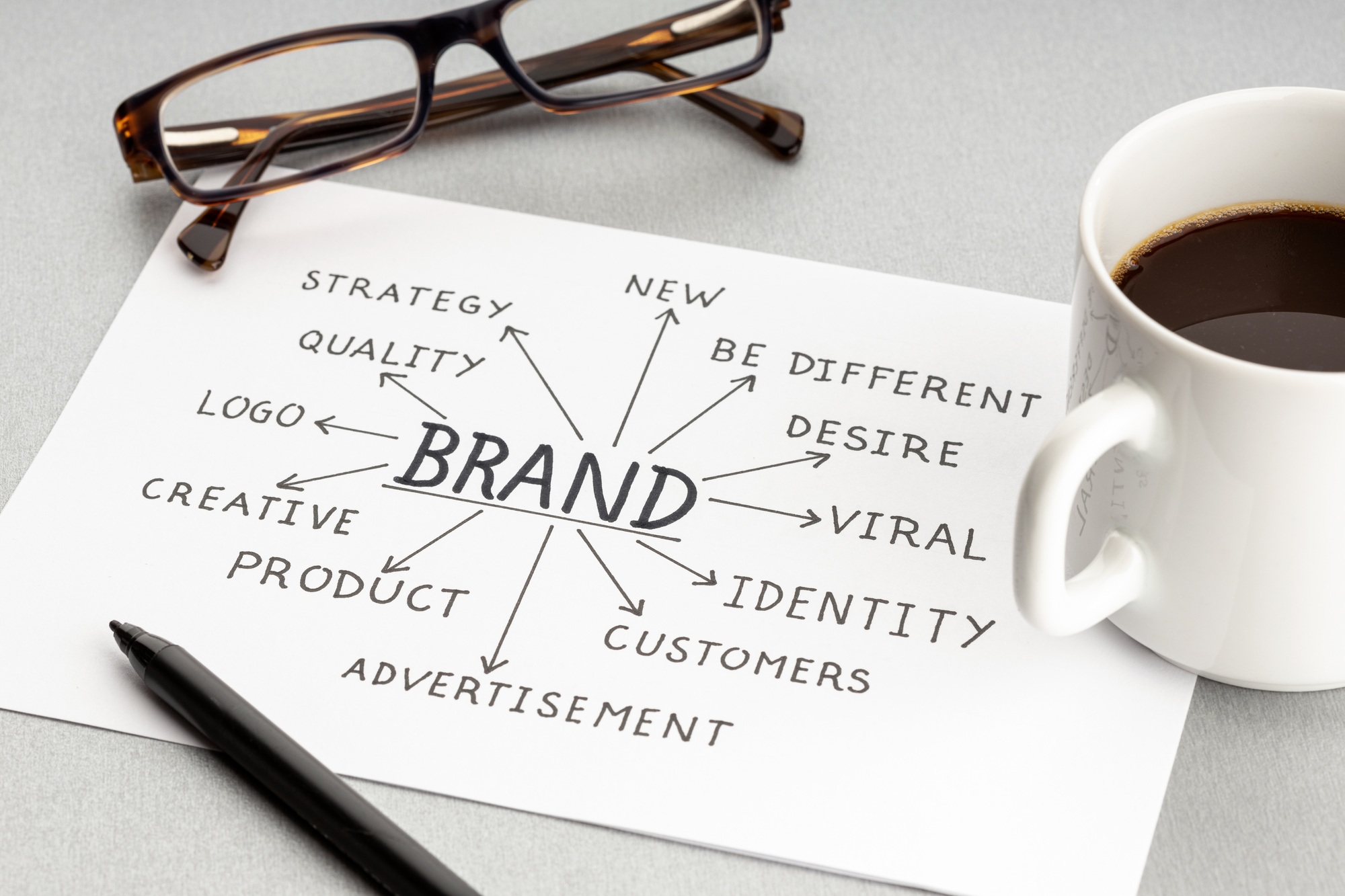
Creating your own brand identity involves a clear process. By defining your mission and values, researching your audience, selecting a cohesive color palette and typography, designing a unique logo, and establishing brand voice and imagery guidelines, you can effectively build a strong presence in the market. Each step contributes to a consistent and recognizable brand that resonates with your target demographic. Follow these steps diligently, and you’ll be well on your way to developing a successful brand identity.
Image Via Envato
